
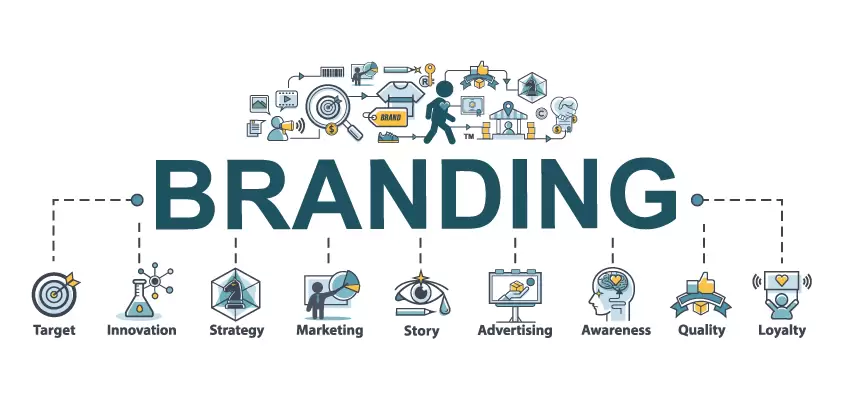

Branding your business is an essential step to creating a strong identity and building recognition in the marketplace. Here's a step-by-step guide to help you brand your business effectively:
1. Define Your Brand Identity
- Mission and Values: What is the core purpose of your business? What do you stand for? Define your mission and the values that will guide your company.
- Unique Selling Proposition (USP): What sets your business apart from others in your industry? Identify the key differentiators that make your business special.
- Target Audience: Know who your ideal customers are. This will help you tailor your messaging, design, and communication to meet their needs.
2. Choose Your Brand Name
- Ensure your business name is unique, easy to remember, and relevant to your industry or services.
- Check for domain name availability and trademarks to avoid legal issues down the line.
3. Design Your Visual Brand Identity
- Logo: Your logo is a visual representation of your brand. Hire a designer or use an online logo maker to create something professional, simple, and memorable.
- Color Scheme: Choose a color palette that represents your brand’s personality and resonates with your target audience.
- Typography: Pick fonts that are easy to read and match your brand’s tone (e.g., modern, playful, serious).
- Imagery and Graphics: Use consistent styles of photography, illustrations, and icons across all marketing materials.
4. Craft Your Brand Voice
- Decide on the tone and style of your communication. Will your brand voice be friendly and casual, professional, humorous, or authoritative?
- Your voice should be consistent across all channels, whether it's social media, emails, website content, or customer support.
5. Build a Brand Story
- Share the story behind your business. Why did you start it? What challenges have you overcome? A compelling brand story humanizes your brand and helps customers connect emotionally.
6. Create a Brand Strategy
- Brand Positioning: Position your brand in a way that highlights your unique value proposition. Where do you want to stand in the minds of your customers compared to competitors?
- Marketing Channels: Choose the channels (social media, email marketing, blogs, etc.) where your target audience is most active.
- Content Strategy: Create engaging and consistent content (articles, videos, social media posts) that reflects your brand’s personality and resonates with your audience.
7. Design a Website
- Your website is your online storefront, so it should be user-friendly, visually aligned with your brand, and optimized for mobile devices.
- Include essential pages like the homepage, about page, product or service pages, and contact details. Ensure a smooth user experience and clear calls to action (CTAs).
8. Develop Brand Guidelines
- Document all aspects of your branding (color palette, typography, logo usage, imagery, etc.) in a brand style guide. This ensures consistency across all marketing materials and communications.
9. Launch Your Brand
- Create a buzz before your launch by teasing the brand on social media and other channels.
- Host a launch event (online or offline) to introduce your brand to the world. Share your brand story, showcase your products/services, and engage with your audience.
10. Promote Your Brand
- Social Media Marketing: Use platforms like Instagram, Facebook, LinkedIn, Twitter, etc., to promote your brand and engage with your audience.
- Influencer Partnerships: Partner with influencers or industry leaders who align with your brand to extend your reach.
- Email Campaigns: Build an email list and send regular newsletters or promotional offers to keep your audience engaged.
11. Monitor and Evolve Your Brand
- Track Brand Performance: Monitor how your brand is performing using analytics tools. Measure website traffic, social media engagement, and sales.
- Customer Feedback: Listen to feedback from customers to identify what’s working and what needs improvement.
- Evolve Your Brand: Branding is not static. As your business grows, make necessary adjustments to your branding to stay relevant and continue resonating with your audience.
12. Build Relationships and Maintain Consistency
- Consistently deliver on your brand promise by providing excellent customer service and ensuring your products or services meet the quality customers expect.
- Build long-term relationships with your customers by fostering trust and loyalty.
Branding is a continuous process that requires attention and adaptation over time. Stay authentic, engage with your audience, and make sure your branding reflects your business’s mission and values.